








Stay informed
SIWI newsletter
Receive SIWI’s latest news, events, reports and jobs directly in your inbox.
You can unsubscribe at any time.

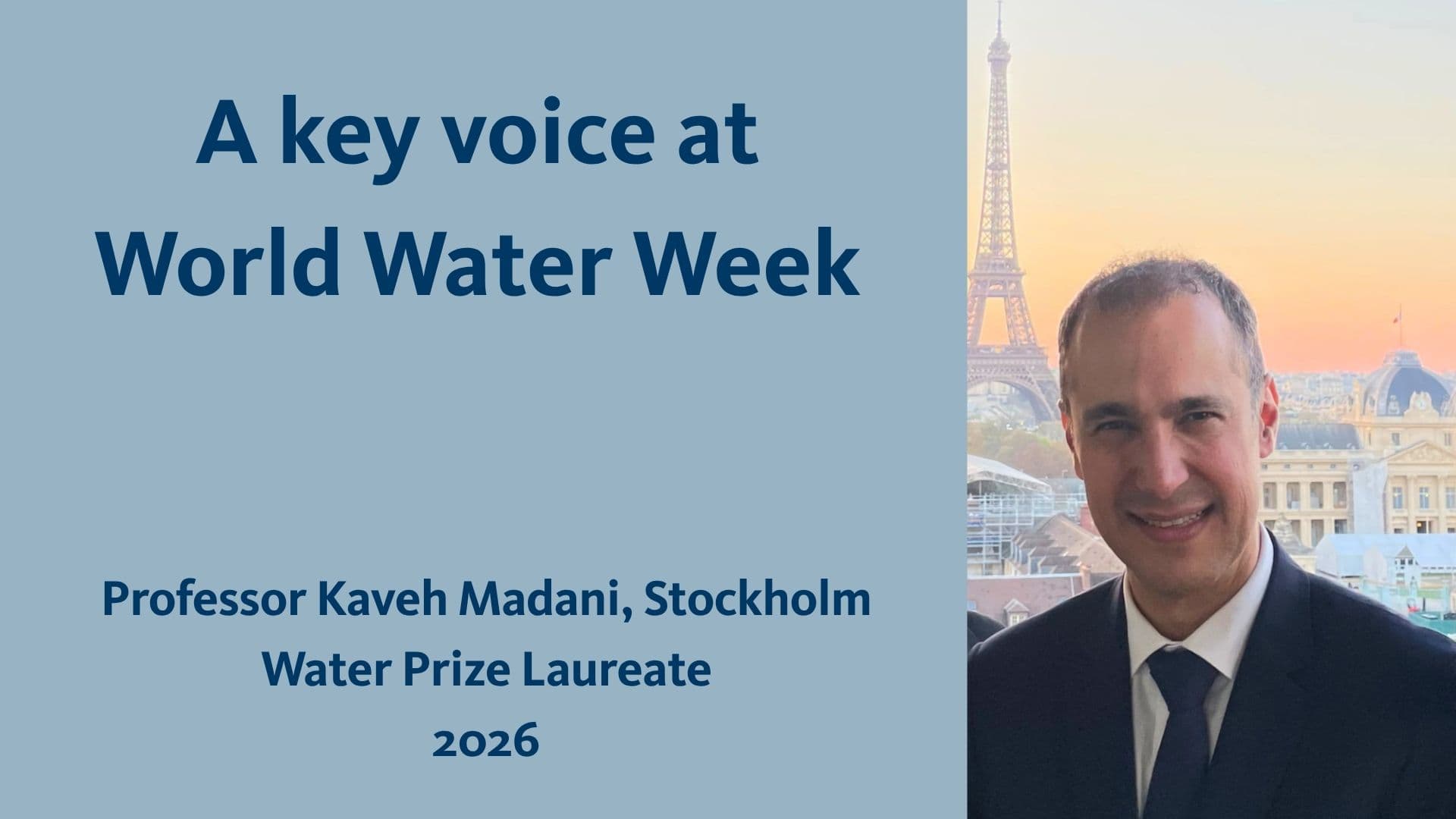
Professor Madani has helped shift global thinking beyond technical solutions alone, demonstrating that many of today’s water challenges are rooted not only in hydrology, but also in the decisions, institutions and policies that determine how water is managed. His work has influenced governments, international organizations and researchers around the world, helping place water governance at the centre of discussions on resilience and sustainable development.
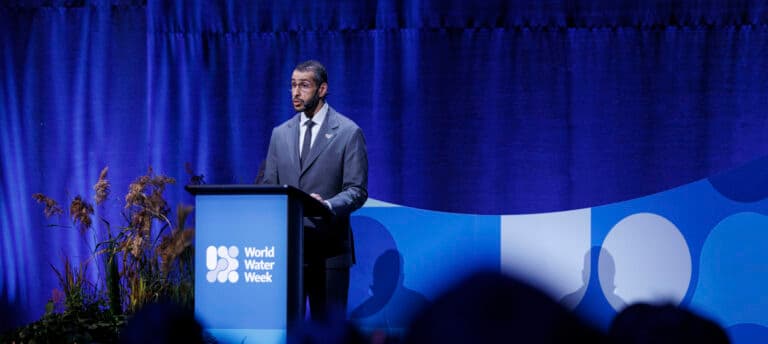
Delegates at World Water Week will have several opportunities to engage with his ideas. Alongside receiving the Stockholm Water Prize, Professor Madani will contribute to the Opening and participate in two sessions that explore some of the most pressing governance questions facing the water community today. Together, these appearances reflect both the influence of his work and the role of World Water Week as a platform for the conversations shaping the future of water.
For decades, efforts to address water challenges focused largely on increasing supply through new infrastructure and improving technical management. While these remain essential, experience has shown that engineering solutions alone cannot resolve increasingly complex water challenges. Water must also be allocated across competing users, managed across administrative boundaries, and governed in ways that balance environmental, social and economic needs.
Professor Madani has been one of the leading voices helping to advance this perspective. His research has demonstrated how governance systems, incentives and institutions often determine whether technical solutions succeed or fail. By combining scientific research with policy, diplomacy and international cooperation, he has helped place governance at the centre of discussions on water security, resilience and sustainable development.
It is this contribution that earned Professor Madani the 2026 Stockholm Water Prize. The Prize recognizes his groundbreaking research and global leadership, which have transformed how governments understand and respond to water crises by placing greater emphasis on governance, cooperation and evidence-based decision-making.
From evidence to action
A defining feature of Professor Madani’s work is his focus on translating scientific evidence into better decision-making.
As Director of the United Nations University Institute for Water, Environment and Health (UNU-INWEH), he has championed evidence-based approaches to water policy while working across disciplines and sectors. His work recognizes that solving water challenges requires more than better data or better technology. It requires governance systems that can translate evidence into effective policy and implementation.
More recently, Professor Madani has drawn international attention to the concept of water bankruptcy, arguing that many societies are living beyond the long-term limits of their available water resources. The concept challenges decision-makers to move beyond managing individual water crises towards addressing the underlying governance failures that create long-term water insecurity.
These ideas are increasingly relevant as countries confront growing pressure on freshwater resources from climate change, population growth, competing demands and environmental degradation. They also reinforce a central message that runs throughout World Water Week: lasting progress depends not only on innovation and investment, but also on stronger governance that connects science, policy and practice.
Continuing the conversation at World Water Week
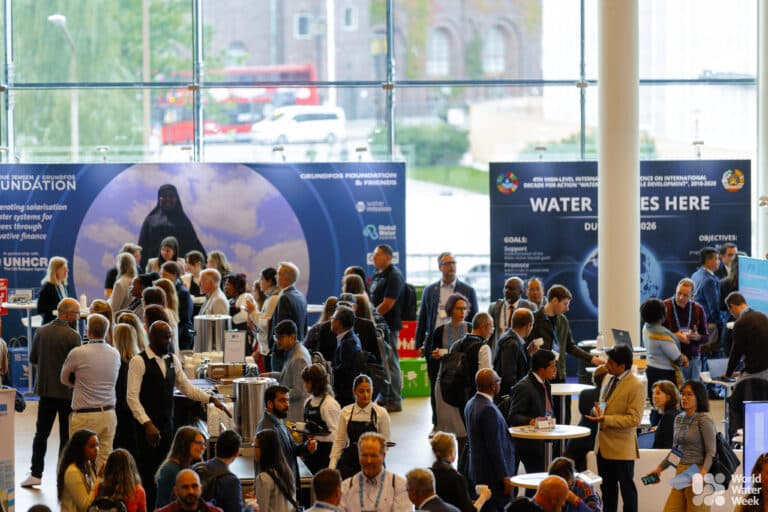
Professor Madani’s contribution reflects the role World Water Week plays in bringing together the people and ideas shaping the future of water. In the Opening, he will help frame discussions on the major challenges and opportunities facing the global water community. Throughout the Week, he will continue those conversations in two further sessions exploring how evidence can better inform decision-making and why governance must evolve to respond to an increasingly complex and uncertain future.
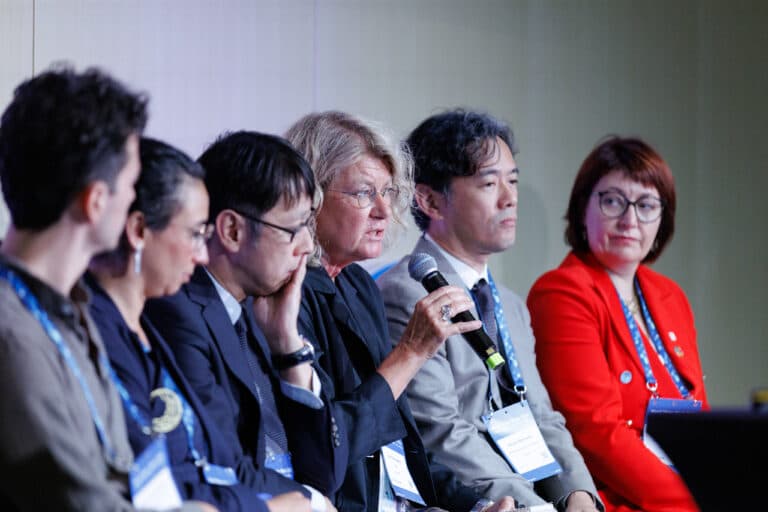
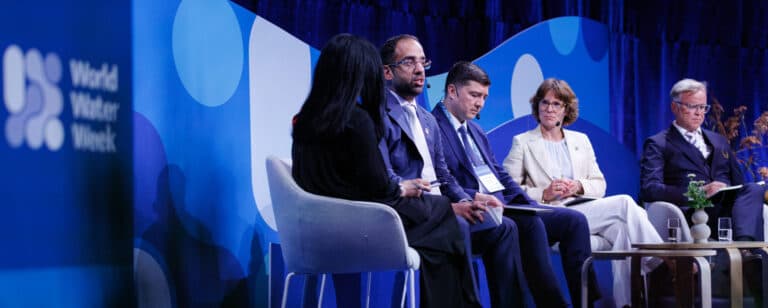
His participation also reflects the cross-sector approach that defines World Water Week. The programme brings together perspectives from science, policy, business, government and civil society to exchange knowledge, challenge assumptions and explore practical solutions. By connecting expertise across disciplines, it creates space for the dialogue and partnerships needed to improve how water is governed around the world.
The Stockholm Water Prize recognizes Professor Madani’s contributions to advancing water governance. At World Water Week, delegates will also have the opportunity to engage directly with the ideas behind that recognition through his participation in the Opening and two further sessions spanning science, policy and governance.
Opening
24 August | 13:00–14:00
Evidence for Action: The UN Water Conference Academic Hub
24 August | 09:00–10:30
New Water Agenda: Entering the Era of Global Water Bankruptcy
24 August | 16:30–18:00
Stockholm Water Prize: Meet the Laureate
26 August | 9:00–10:30