








Stay informed
SIWI newsletter
Receive SIWI’s latest news, events, reports and jobs directly in your inbox.
You can unsubscribe at any time.

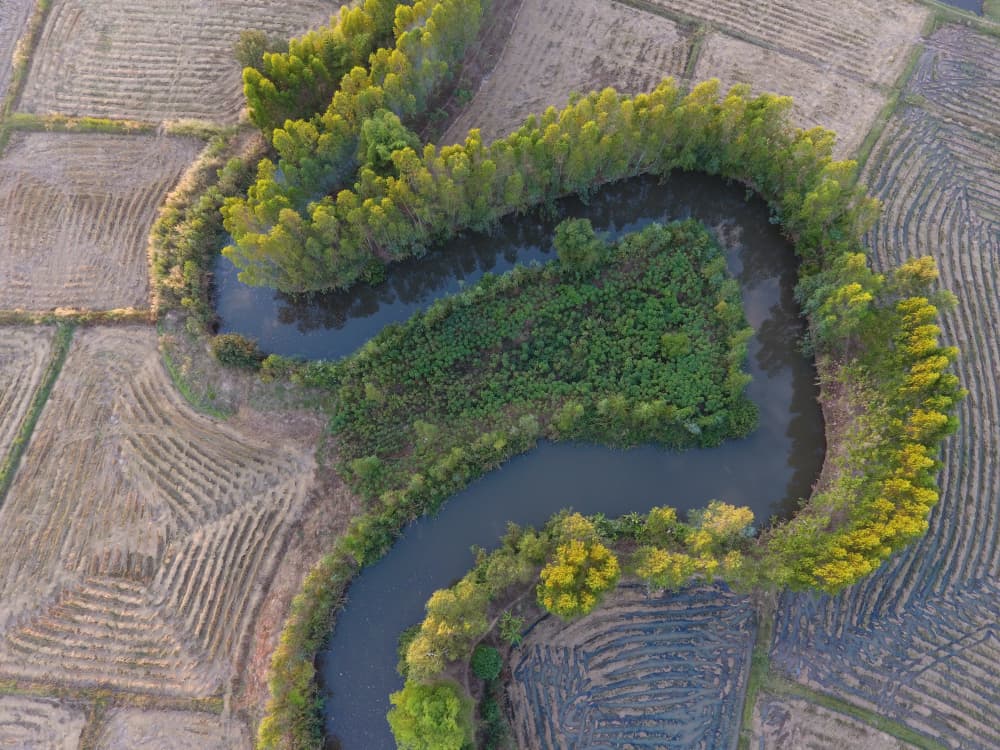
Climate action often addresses water, agriculture, forests, biodiversity and land restoration through separate plans, institutions and sources of finance. Yet these sectors depend on the same hydrological cycle. Water appears across adaptation, food systems, ecosystems, cities and disaster risk, but the connections are not always reflected in how action is planned, financed and measured.
“We have to stop treating water, climate and ocean as separate systems. They are one integrated planetary system,” says Dr Kilaparti Ramakrishna, Senior Advisor to the President and Director on Ocean and Climate Policy at the Woods Hole Oceanographic Institution.
Ahead of COP31, the challenge is to translate that understanding into implementation.
Climate resilience depends on both blue water in rivers, lakes, wetlands and aquifers, and green water stored in soils and vegetation and moving through the atmosphere. These are not separate resources.
“We need to connect the flows of green water and blue water,” says Anna Tengberg, PhD, Senior Advisor at SIWI. “They need to be governed together. They depend on each other.”
Rainfall retained in healthy soils supports vegetation and agriculture. Some of that water infiltrates further and recharges aquifers, which in turn feed rivers and lakes. When soils lose their capacity to hold moisture, the effects spread through the system. Drought vulnerability increases, while erosion can carry more sediment into rivers and reservoirs.
The hydrological cycle connects landscapes, ecosystems and water resources, regardless of which institution is responsible for managing them.
Climate governance has not yet caught up with these physical connections. National climate plans, adaptation strategies, biodiversity frameworks and land-restoration programmes often address different parts of the same system through separate objectives, indicators and budgets.
The same division appears internationally. The climate, biodiversity and desertification conventions each address processes that influence water availability and resilience, but through their own mandates and decision-making structures.
“The main point here is not that we should merge them all together. That is not going to happen because they are independent legal entities and have their own structures and procedures. But we need to build linkages between them,” says Ramakrishna.
Without those links, policies can overlook how an intervention in one sector affects water, ecosystems and communities elsewhere.
Building those links requires changes in how climate action is implemented. Water cannot be added after decisions have already been made about agriculture, forestry or land restoration.
“Water needs to be integrated into landscape restoration from the start, into agricultural considerations and into reforestation initiatives,” says Tengberg.
This means assessing how land-use decisions affect soil moisture, groundwater recharge, rainfall and downstream water resources. It also means bringing the institutions responsible for water, agriculture, forests, ecosystems and climate into the same planning processes.
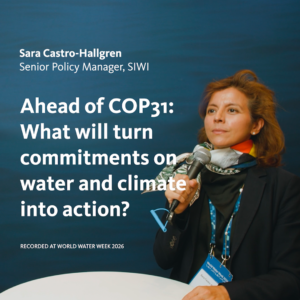
International agreements alone cannot deliver this integration. “What we really need for strengthening global governance on water and its links with sustainable development as a whole is national-to-local action, leadership and country commitments,” says Sara Castro Hallgren, Senior Manager for International Policy and Processes at SIWI.
The task is to translate connected global commitments into coordinated decisions, financing and action on the ground.
COP31 offers an opportunity to make these connections more visible in climate implementation. Water already appears across adaptation, food systems, ecosystems, cities and disaster risk. The next step is to address it more coherently across national plans, indicators and finance.
This requires better alignment between Nationally Determined Contributions and National Adaptation Plans, more coherent ways of measuring water-related resilience, and stronger links between climate, biodiversity and land-restoration processes. Climate finance should also recognize the role of soils, forests, wetlands and other ecosystems in regulating water and strengthening resilience.
The significance extends beyond Antalya. COP31 takes place shortly before the UN 2026 Water Conference in Abu Dhabi, creating an opportunity to carry its conclusions into the wider water agenda.
“Water can become the great connector of the multilateral environmental agenda, from source to sea, from climate to biodiversity, from science to policy, and ultimately from dialogue to implementation,” says Ramakrishna.
Governing the whole water cycle would allow these connections to shape how climate action is planned, financed and implemented.